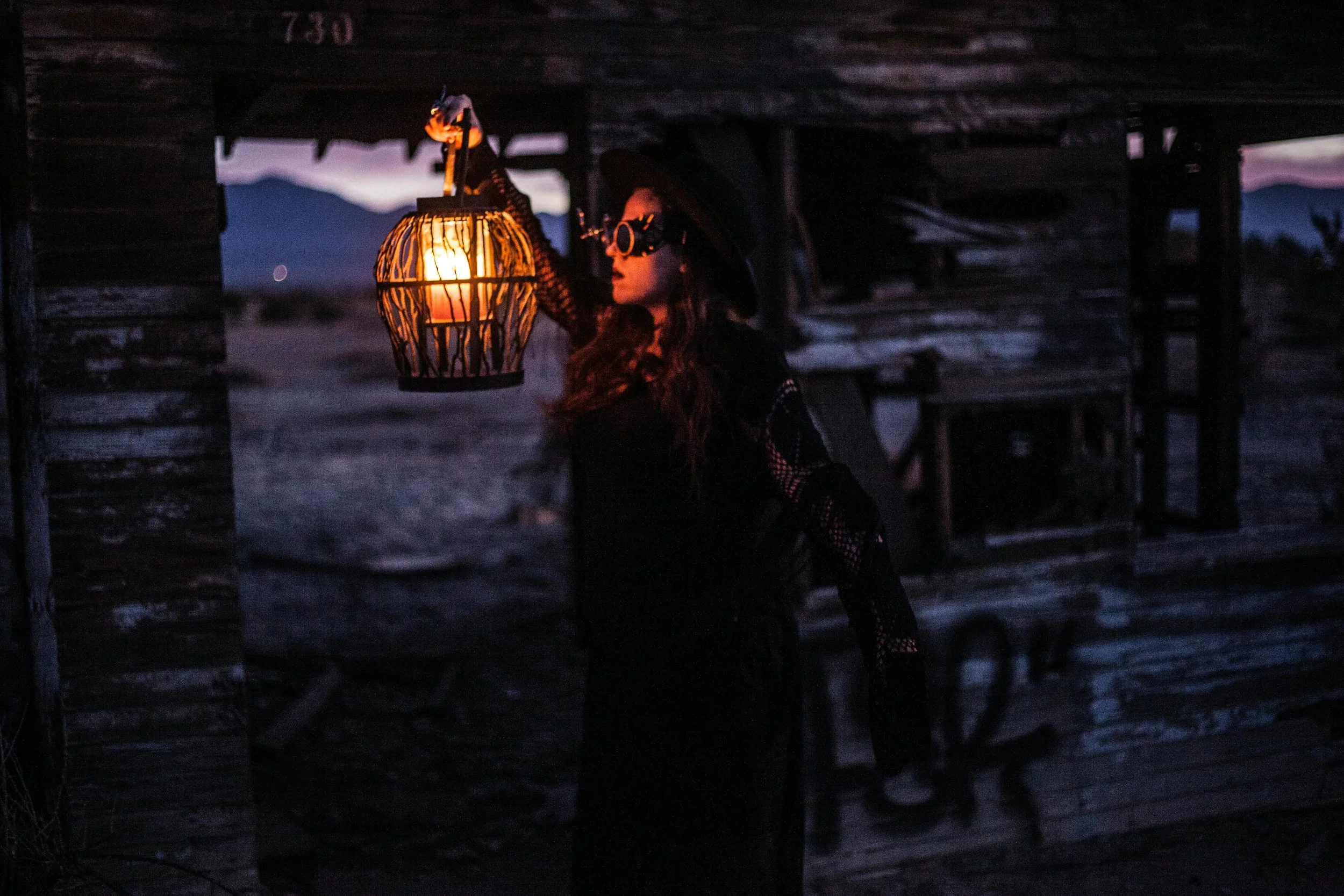
The Dark Night of the Soul.
Does it feel like you’ve lost your sense of meaning in life?
• The dark night of the soul can arrive suddenly or slowly or quickly, sparked by an external event (such as a crisis, death of a loved one, or a life-altering diagnosis) or an internal event, such as hitting a milestone birthday or feeling a deep “divine discontent” with the life you’ve been living
• This period often brings a sense of despair, loss of meaning, and profound uncertainty about life and its purpose
• While this experience can be painful, with the right support, it can also be a time of transformation and rebirth that spurs the discarding of what’s unnecessary, false, or obsolete

The history and meaning of the dark night.
The term “dark night of the soul” comes from a 16th-century poem by St. John of the Cross, a Spanish mystic and poet who wrote about the painful inner passage people move through on their way toward becoming a more authentic, integrated self. Although the poem was religious in nature, it touches on the timeless, universal human experience of an existential descent.
Similar themes of descent and reascent appear in world myths that predate St. John’s poem such as Persephone's descent into the underworld or Inanna's downward plunge through the seven gates. These myths aren’t simply stories—they serve as maps that can provide wisdom, guidance, and comfort.
Carl Jung viewed the dark night through the lens of alchemy, describing it as the "night sea journey.” He saw the dark night as a descent into the unconscious where we come face to face with our shadow—the parts of ourselves that have long been stowed away in the dark.

How I work with the dark night of the soul.
The dark night of the soul is not a problem to be solved or a symptom to be quickly eradicated. While it can coexist with depression, anxiety, or grief (which need to be assessed and tended to accordingly)—the dark night is its own distinct experience. At its core, it is an uninvited yet worthy guest who comes bearing valuable gifts.
One of the great challenges of going through a dark night of the soul is that our society often misunderstands the significance of this time. We can feel pressure to dismiss the discomfort and “get over it” as quickly as possible. However, doing so often thwarts the vital process that the dark night is beckoning us to undertake—and uncovering the gifts it bears along the way.
More than anything, navigating the dark night of the soul requires a specific kind of understanding and guidance: someone who can be present with you in the dark without rushing you toward the light, who can help you discover the deeper meaning of what you're moving through, and who can support you in finding your footing.

In many ways, working with the dark night is the heart of depth therapy.
My approach is slow, attuned, and guided by where you are and what the work calls for.
Depending on your needs, our work together may include:
• Learning the significance of what's happening: Understanding the dark night not as evidence of being wrong, flawed, or bad, but as a sacred passage with its own direction and purpose
• Sitting with what's hard: Building the capacity to be present with grief, fear, loss of meaning, and uncertainty, rather than bypassing or numbing them
• Somatic (body-based) work: Tending the dark night’s expressions that find form in the body, and working with the body for resourcing, guidance, and grounding during a time of change
• Dreamwork, imagery, and symbol: The unconscious often speaks most vividly during these passages, and learning to listen is one of the most orienting things we can do
• Expressive arts: Using drawing, collage, writing, movement, and other creative modalities to connect more deeply and directly with the unconscious, which can help provide a roadmap for the process
• Myth, story, and ritual: Drawing on the wisdom of archetypal narratives that have been mapping this territory for millennia
• Integration: Making sense of the passage and the shifts that have occurred
For further reading, check out these articles:
-
The dark night of the soul is a period of profound inner suffering marked by a loss of meaning, despair, and deep uncertainty about life and its purpose. The term comes from a 16th-century poem by St. John of the Cross, a Spanish mystic and poet who wrote about the painful passage people move through on their way toward a truer, more integrated self. Although the poem was religious in nature, it describes a universal, timeless human experience.
The dark night can be sparked by an external event, such as a devastating loss, a life-altering diagnosis, a rupture that knocks the ground out from under you.
Or it can arise from within, through a growing sense of "divine discontent," a milestone birthday, or the quiet but persistent feeling that the life you've been living no longer fits. Either way, it tends to involve a disorienting descent into unfamiliar inner territory. -
It's often both—and the line between the two can be difficult to draw. The original concept, as St. John of the Cross described it, was explicitly spiritual: a painful purification on the path toward union with the divine.
But depth psychology, particularly through the work of Carl Jung, recognized the same experience as a profound psychological passage— what Jung called the "night sea journey." Jung saw the dark night as a descent into the unconscious where we come face to face with the shadow: the parts of ourselves we've long ignored, suppressed, or never fully known.Many people experience the dark night as simultaneously spiritual (or existential) and psychological—a crisis of meaning that touches identity, faith, purpose, and the deepest sense of who they are. This is one reason why the most useful support tends to honor all dimensions that feel relevant for the individual.
-
The dark night of the soul and depression can look similar on the surface. They can also coexist. This is why it's important to assess for both. Both can involve profound sadness, withdrawal, loss of motivation, and a sense that life has lost its color.
The key distinction is that the dark night carries a specifically existential and often spiritual dimension: a collapse of meaning, a dissolution of identity, a sense that something needs to fundamentally change at the root.
Depression can arise from a range of biological, psychological, systemic, trauma-based, and relational factors and may not have the same quality of purposeful descent.The dark night—even when it coexists with depression—is not only a painful state. It is also an initiatory one, with its own direction and potential for transformation.
This is one reason why the right kind of support matters so much: you need someone who can hold both the difficulty and the deeper meaning of what you're moving through, without rushing you toward the light before you're ready. -
The dark night tends to announce itself through a cluster of experiences that go beyond ordinary difficulty. These can include a pervasive sense of meaninglessness or emptiness, a loss of connection to things that once brought joy or purpose, a feeling that the identity or life you've built no longer fits, grief or despair that feels difficult to name or explain, spiritual disorientation or a crisis of faith, and a sense of being suspended between one way of being and another—of not yet knowing who you are becoming.
It can also show up in the body: as exhaustion, heaviness, a loss of vitality. The mythic traditions that have mapped this experience—from Persephone's descent into the underworld to Inanna's passage through the seven gates—understood the dark night as a full-body, full-soul experience, not just a mental or emotional one.
Frequently Asked Questions
-
Therapy can be a meaningful source of support during the dark night—but the kind of support matters. Approaches that rush the experience or focus only on relieving discomfort can miss the deeper meaning of what's happening and shortchange the process.
The most useful support tends to come from someone who understands the dark night not only as a painful experience but as a passage with its own logic, pacing, and potential gifts. Someone who can sit with you in the dark without flinching, help you make meaning of what's happening, and work with the body and unconscious as well as the mind.
Depth therapy, somatic work, dreamwork, expressive arts, and myth and ritual can all be valuable companions during this time. So can a therapist who brings genuine reverence for the sacred dimension of what you're moving through.
-
There is no universal timeline—and anyone who offers one should be approached with some skepticism. The dark night has its own pacing. It cannot be rushed, and attempts to bypass or abbreviate it often cost us what it came to offer.
What shapes the duration includes the depth of the descent, what's being asked of you personally, the quality of support you have, and how willing and able you are to engage with the process rather than resist it.
Some people move through a recognizable dark night in a matter of months. For others, it unfolds over years, with periods of descent and partial return before something more lasting shifts.What tends to matter more than duration is the quality of how you move through it—whether you have the support, the inner resources, and the right kind of companionship to engage with it meaningfully rather than simply endure it.
-
Not always. While the dark night is often set in motion by an external event (like a loss, rupture, or diagnosis, for example), it can also arise quietly from within, without any obvious external cause.
A milestone birthday, a slow erosion of meaning in work or relationships, a growing sense of "divine discontent" with the life you've carefully constructed—any of these can set it in motion.The dark nights that arrive without an obvious trigger can be the most disorienting, because there is nothing clear to point to as the source. This is also one reason why depth therapy can be particularly useful: it offers a framework for understanding what's happening when the usual explanations fall short.
-
Myths across cultures have been mapping the territory of descent and return for thousands of years, long before psychology had a name for it. Persephone's descent into the underworld, Inanna's downward journey through the seven gates, and the hero's passage through darkness before return aren't simply ancient stories. They are maps of a process the psyche has always known.
Working with myth and archetypal imagery during the dark night can be profoundly orienting. It connects your personal experience to something larger: a collective human wisdom about what it means to descend, to lose, to be transformed, and to return changed. It also names the experience in a way that honors its depth rather than reducing it to something smaller than it actually is.
In depth therapy, we draw on these narratives not as prescriptions but as companions—ways of making meaning of a passage that can otherwise feel isolating and without form.
When the life you have been living no longer fits.
“There comes a time in your life when the life you have been living is over and you have no clue who you are becoming.”
—Marion Woodman