Writings.

Subscribe to The Lapidary, my Substack newsletter, for full access to new articles.
Scroll down to read excerpts of new articles and full versions of old articles.
Welcome to The Lapidary—where I regularly share my thoughts and gleanings on topics related to modern depth therapy, psychotherapy with soul, my specialties, and the modalities I use at Modern Depth Therapy, my psychotherapy practice. The Lapidary is also where I announce new workshops, groups, and publications.
The Lapidary: Then and now
The Lapidary started out as a blog on my former website when my private practice was called Lapis Healing Arts. New full articles are now available to subscribers of my Substack newsletter, which carries the torch of the name The Lapidary.
Old articles from the Lapis Healing Arts days are currently housed on this website in full. You can read excerpts of new articles on this website and access the full articles on my Substack.
What is the significance of the name The Lapidary?
According to Merriam-Webster, a lapidary (derived from the Latin lapis, meaning “stone”) refers to “a cutter, polisher, or engraver of precious stones.”
My psychotherapy practice’s former name—Lapis Healing Arts—honored the alchemical heritage of the lapis, a legendary vivid-blue stone. In alchemy, the lapis was thought to be the philosopher’s stone that turns dross into gold. Speaking metaphorically, the lapis is the substance within and without that transforms the most challenging aspects of life into qualities such as grit, compassion for self and others, and wisdom in action.
Therefore, The Lapidary name pays tribute to the important work of both therapist and client in shaping, refining, and polishing the lapis, the stone of transformation. In this way, I see therapist and client as dedicated craftspeople and artisans of the mind, body, and soul.
How to subscribe to The Lapidary Substack newsletter
To receive updates when new articles go live, as well as news about Modern Depth Therapy, sign up here.

Learning to Embrace the Wisdom of Regret
At its core, regret is when we feel that we could’ve done something differently in the past to yield a more desirable present. Regret comes in two basic forms³: regret for actions taken (such as mistakes, less-than-fabulous choices, unseemly kneejerk reactions, hasty decisions, etc.) and regret for inaction (including not taking advantage of opportunities or letting fear hold you back from trying new things).¹
As much as we may wish to simply dispose of regret when it shows up, it can’t be tidily put away—at least not without causing significant disruptions to our emotional ecosystem. Instead, like other challenging emotions, regret humbly requests our acknowledgement, compassion, curiosity, and presence.
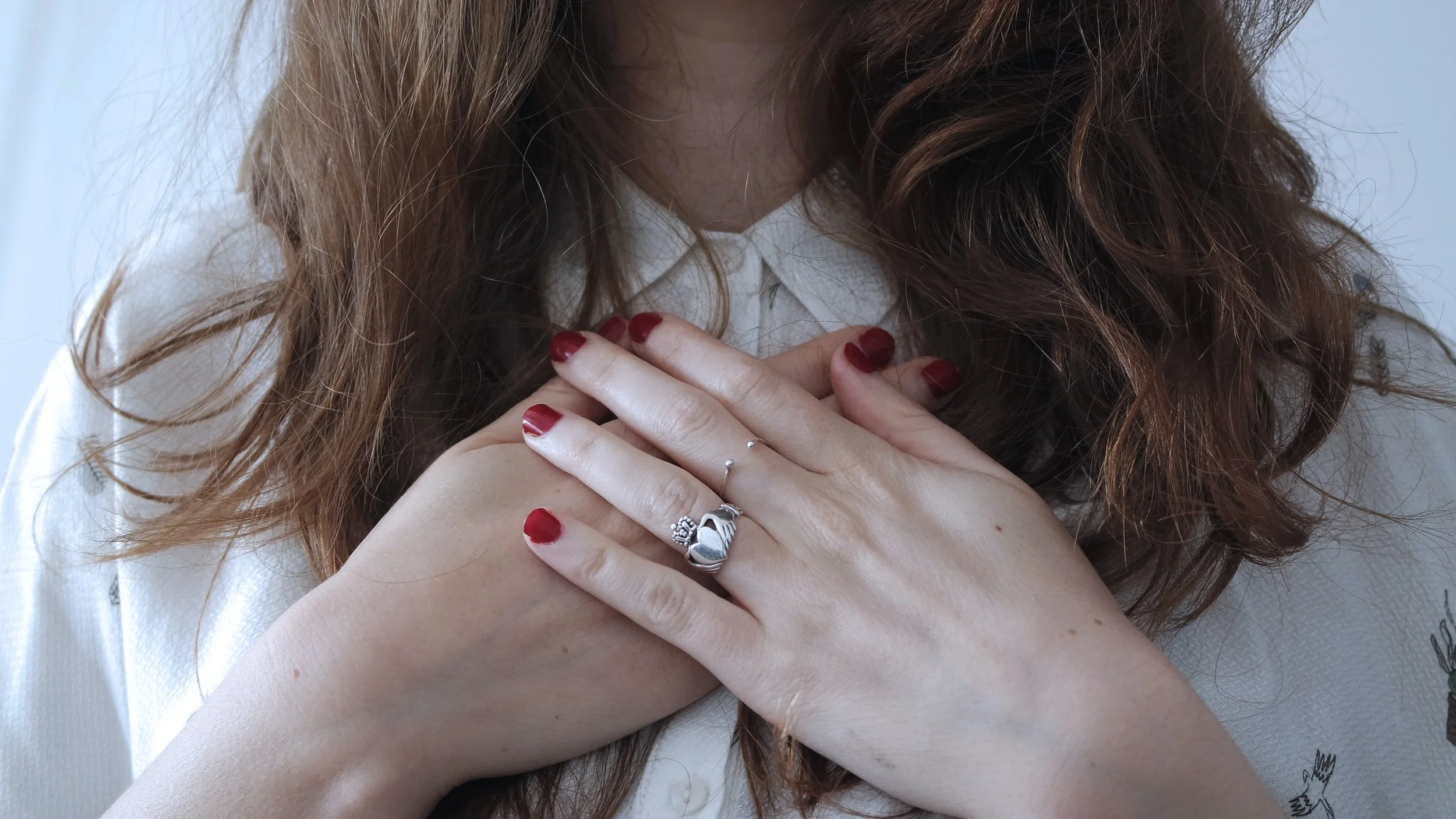
Feed Your Mind with Supportive Self-Talk
One thing that most of us share as humans is that we talk to ourselves, starting at a very early age. Sometimes it’s literally out loud. Maybe you vent your frustration in the car while drifting slo-mo in a sea of traffic. Or maybe you whisper a few encouraging words to yourself in the mirror when you need to drum up your self-confidence before a meeting. Often, though, self-talk is an ongoing inner monologue, heard only by you.
Chances are you’ve already noticed in yourself and others just how powerful self-talk can be, for better or worse. Unsupportive self-talk can contribute to anxiety, depression, and low self-esteem. Further, it can thwart your efforts to move forward in life, according to narcissistic abuse/codependency therapist and author Darlene Lancer, JD, LMFT.¹ Just as you can choose to support your body with nourishing food, you can support yourself with nourishing self-talk.
Art is an alchemical process that’s fed by emotional energy.
“The greatest opportunities for creative transformation are often lodged in our discontents. Art is an alchemical process that feeds on emotional energy.
When we realize that a perfect equilibrium in our lives might not be the best basis for making art, then we can begin to re-vision our stress points. So rather than try to rid your life of tension, consider doing something more creative with it.”
—Shaun McNiff